China in 12 Frames is a collaborative photoblog dedicated to the use of medium format film in China. Mostly shot with Lomography cameras like the Diana or Holga, the photographs have a nice artistic appearance and offer interesting views of China.
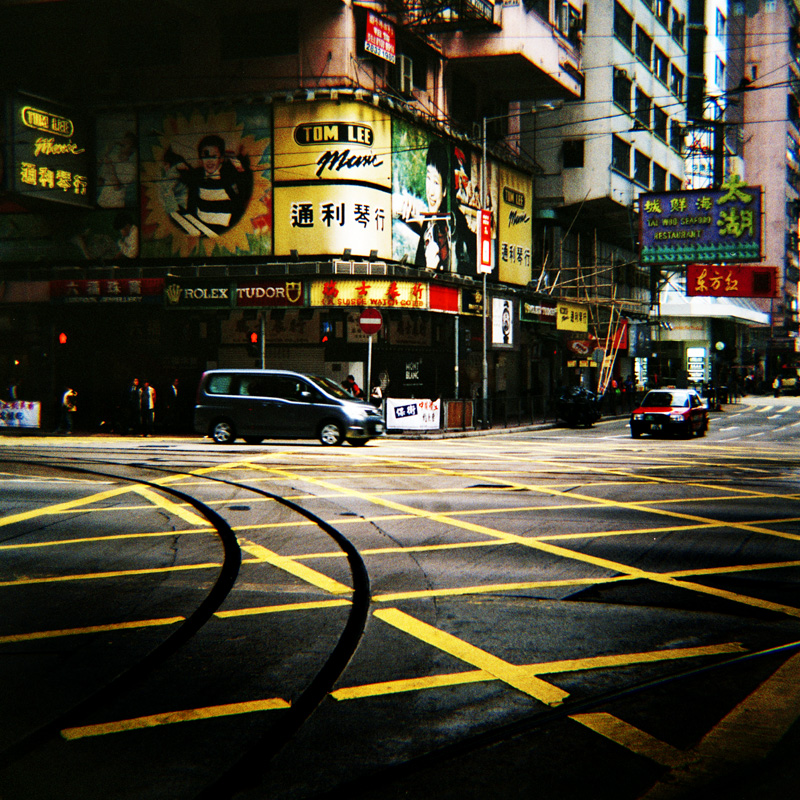
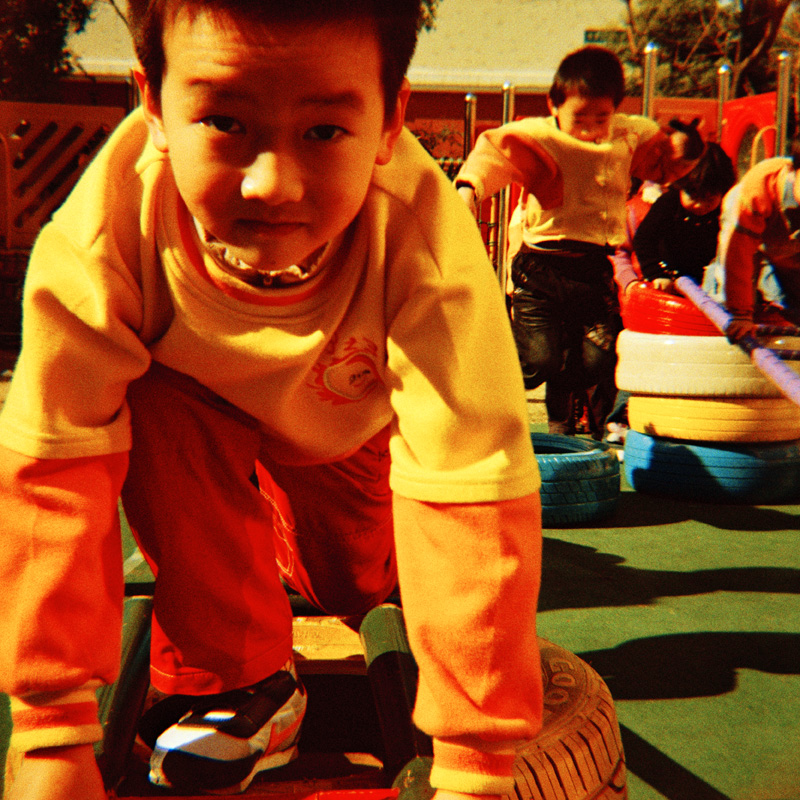
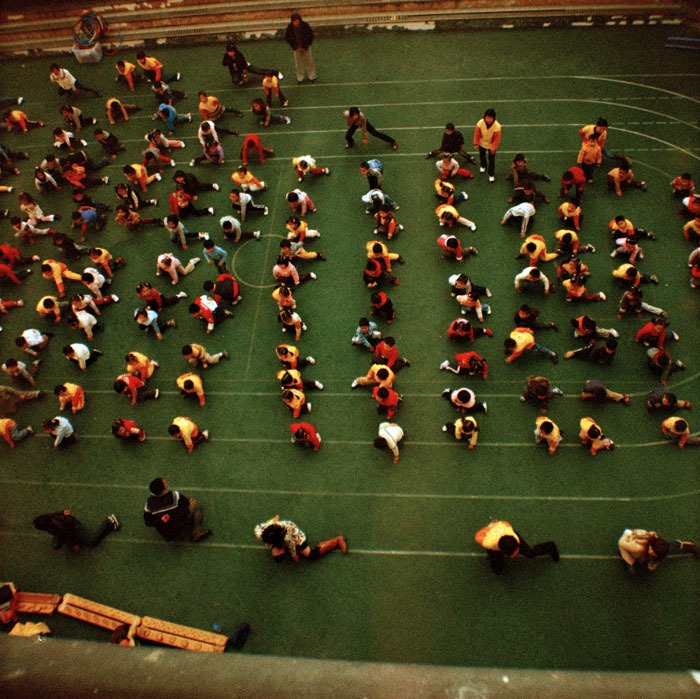
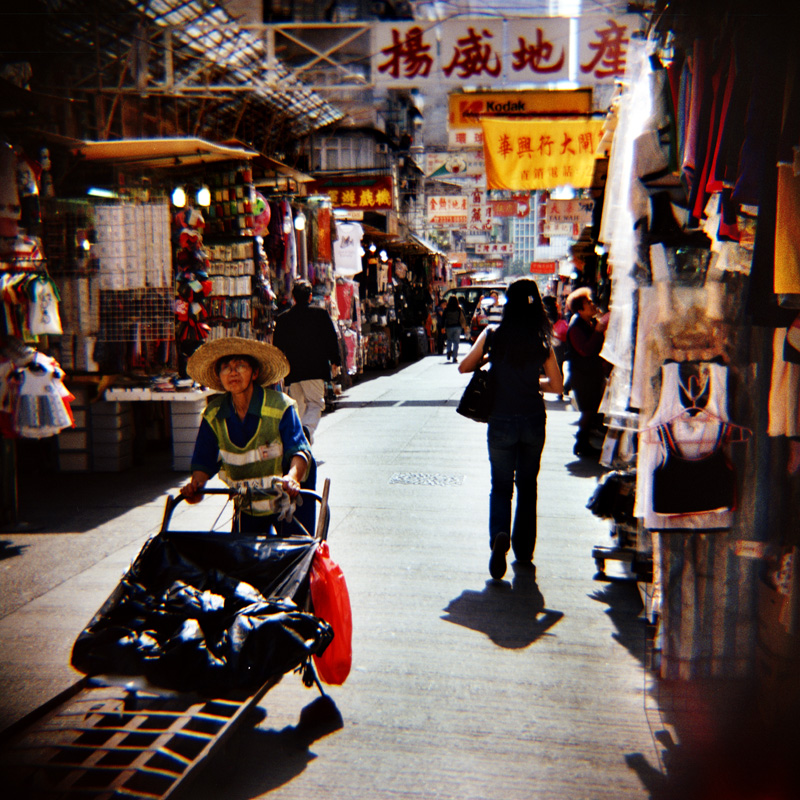
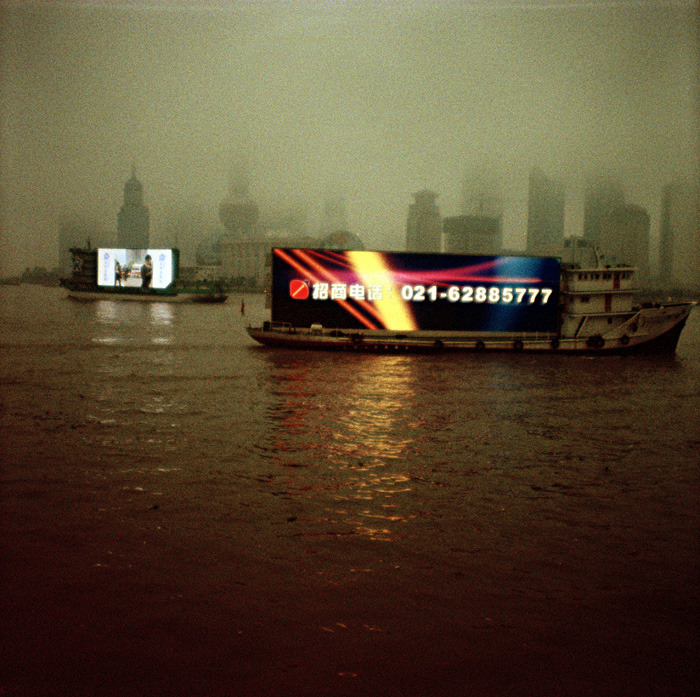
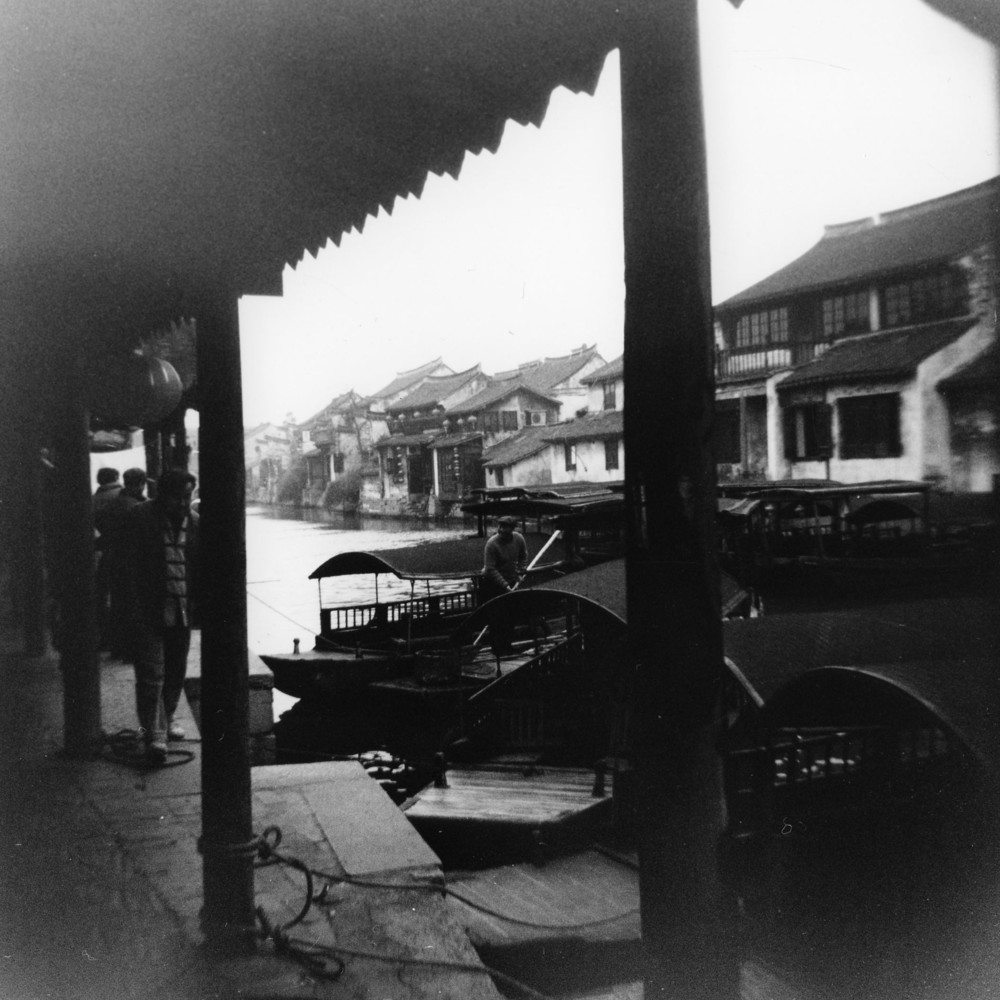

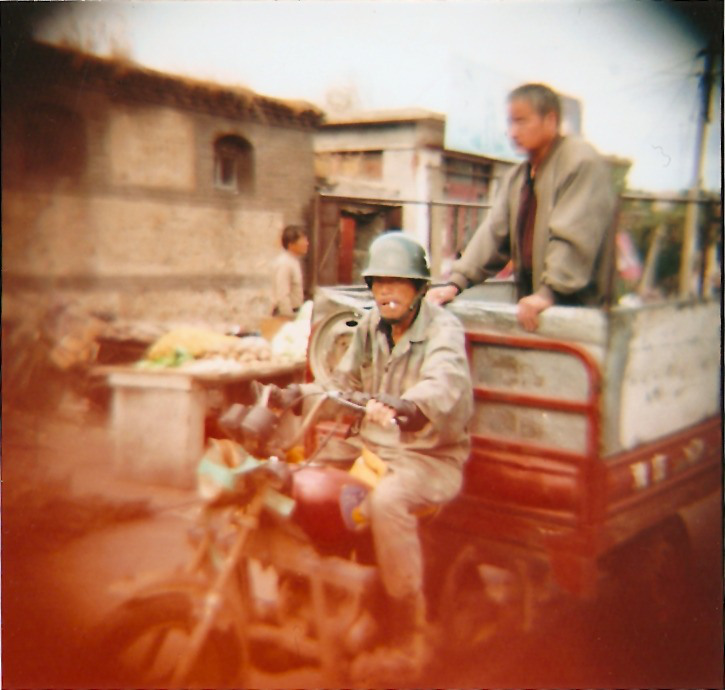
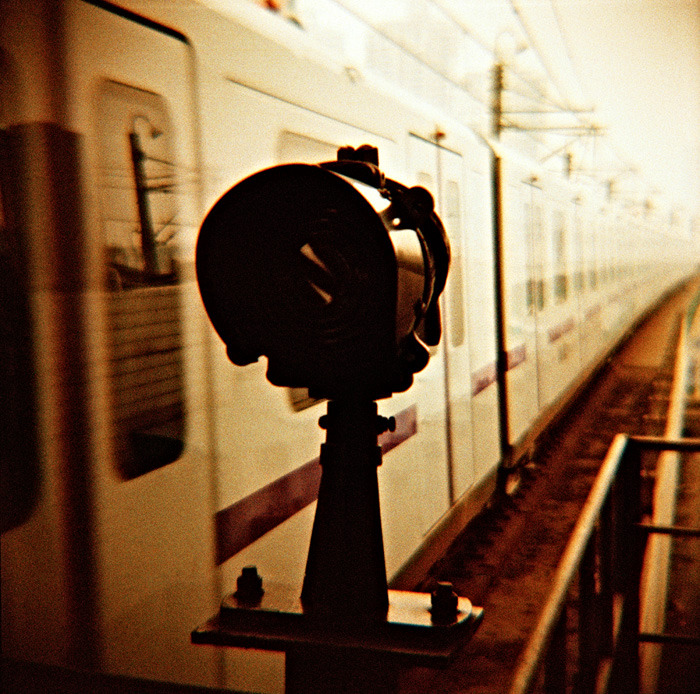
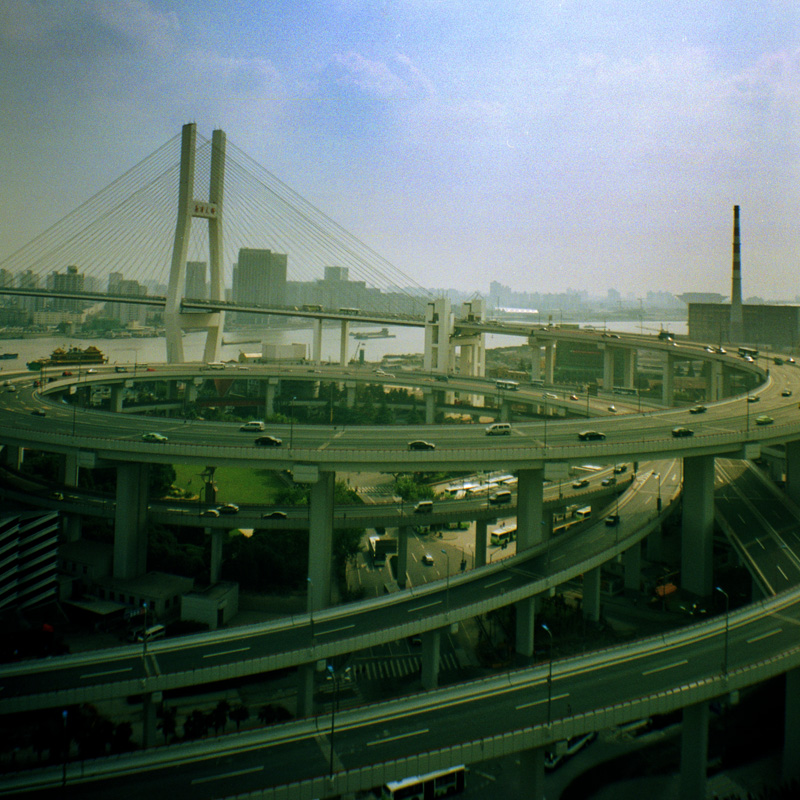
China in 12 Frames is a collaborative photoblog dedicated to the use of medium format film in China. Mostly shot with Lomography cameras like the Diana or Holga, the photographs have a nice artistic appearance and offer interesting views of China.
German photographer Christian Rolfes has launched an interesting photography project:
&&&.net is a stage for everyone who likes to strike a pose every now and then. A photography project that is all about versatility, bringing together people from all places and backgrounds. At the improvised multi-media shootings through a videochat, you become famous, and your environment becomes the set.

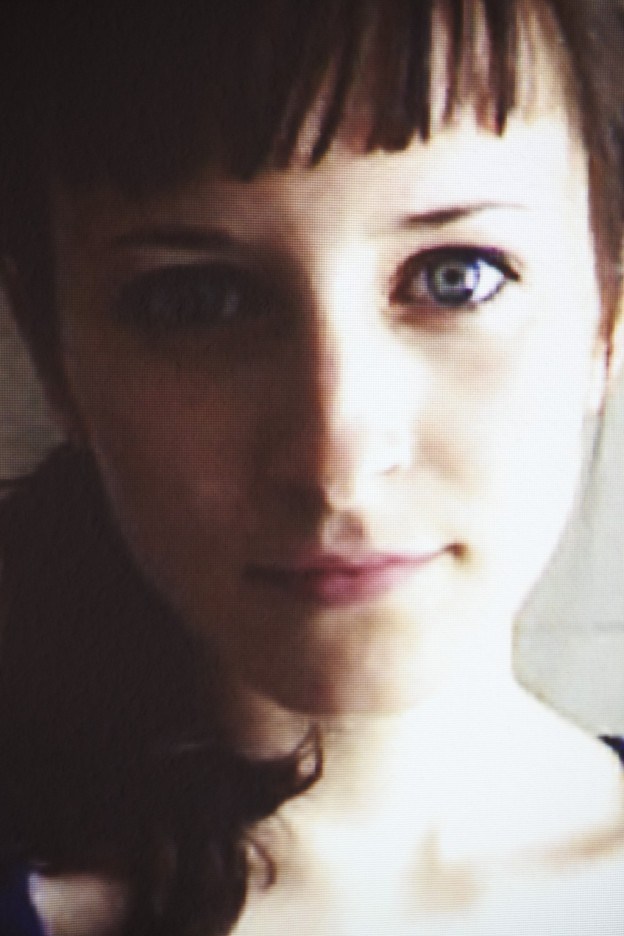
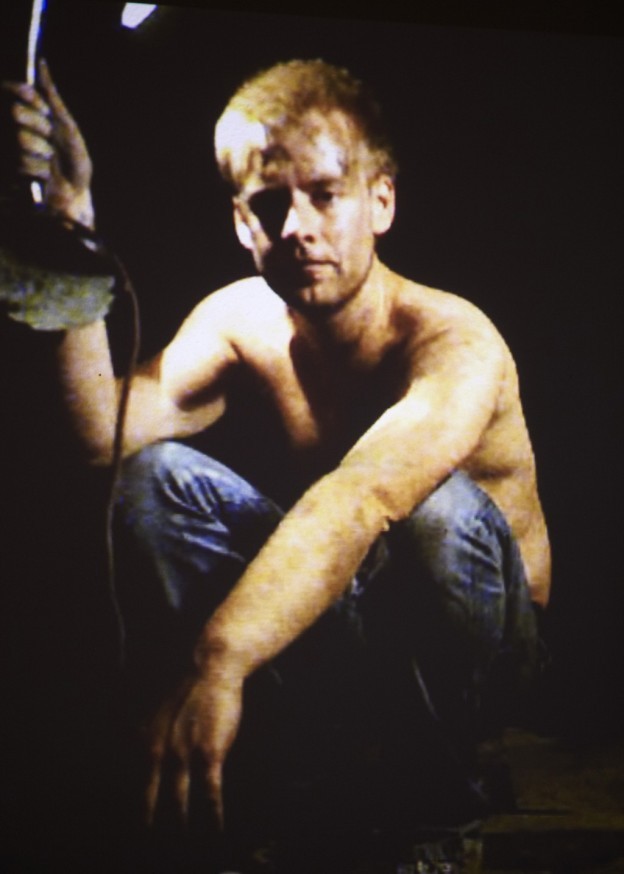
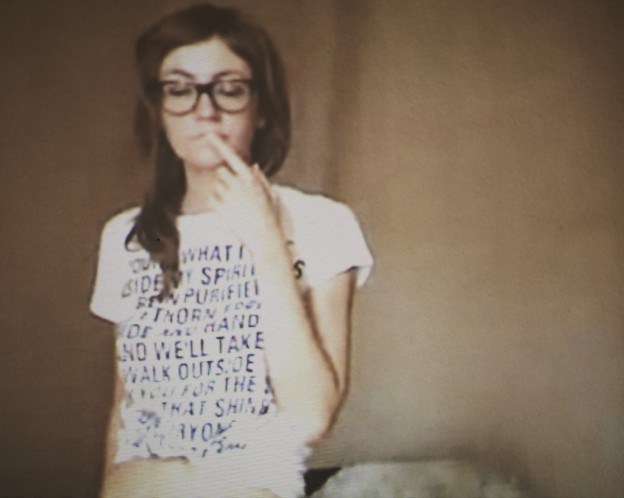



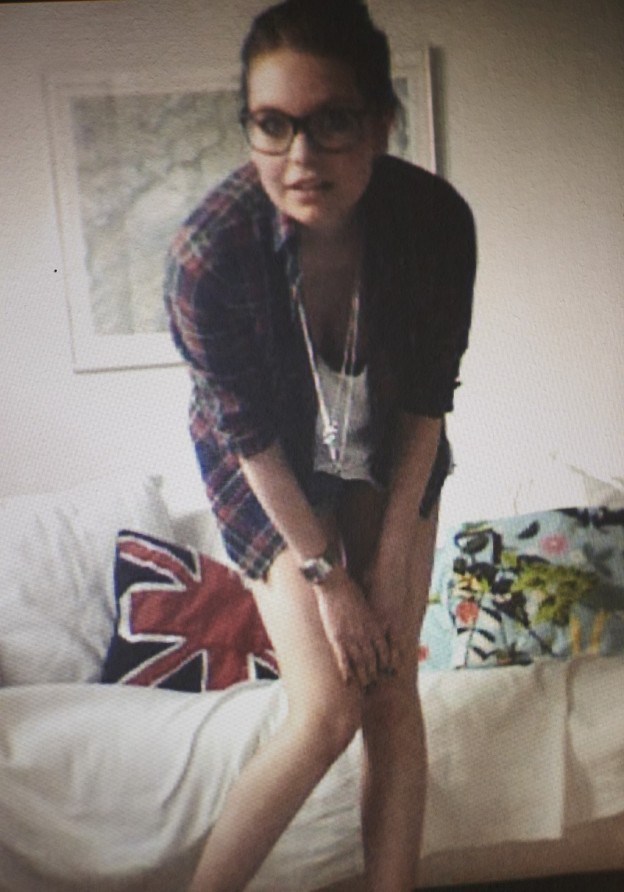
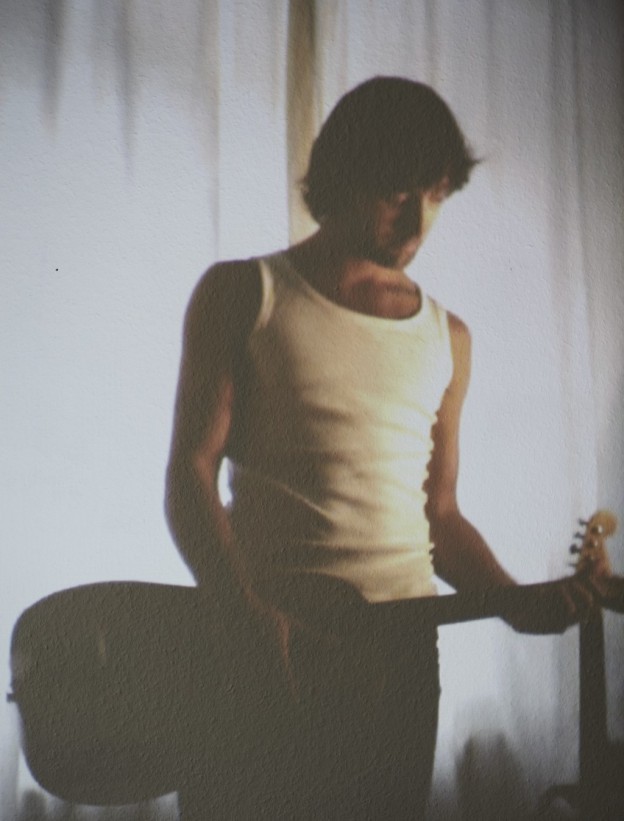
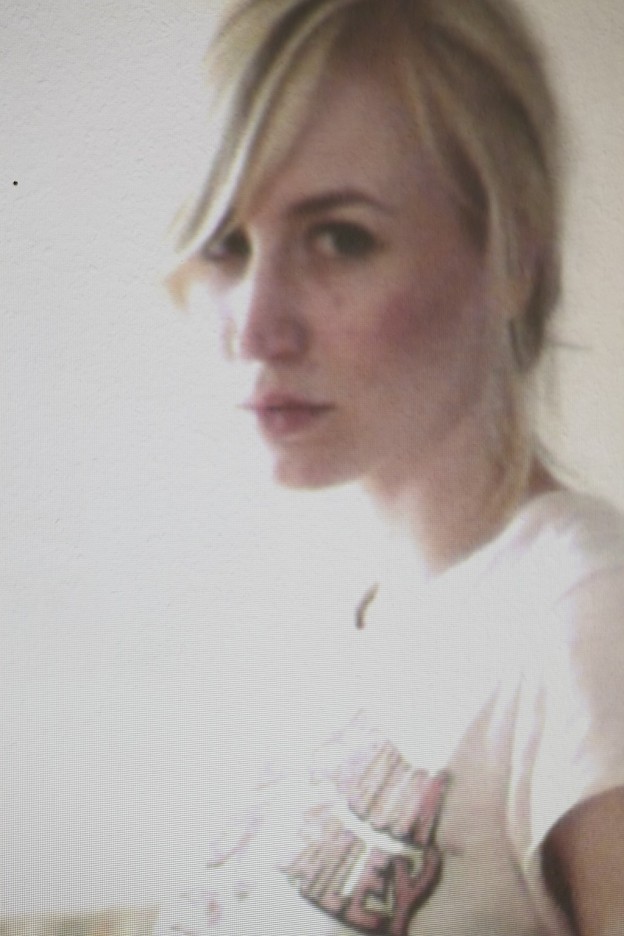
As Christian projects the videochat stream to a wall or other backgrounds and shoots the pictures with a regular camera, the photographs get a nice analogous even retro touch.To get some impressions of the shooting process and atmosphere watch the making-of:
You can follow the project at &&&.net.
Vancouver-based graphic artist Nick Routley lets his imagination run wild on post-its inspired by things that are in the news or that he is doing at the time. I’ve included some with Nick’s explanations.
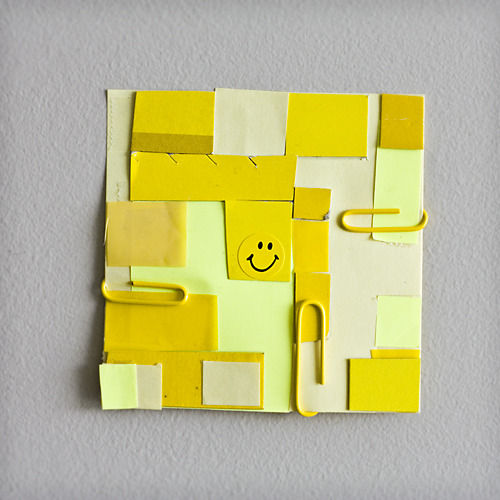
There’s been much discussion about “crowdsourcing” over the past few days as a result of Twitter personality and author Guy Kawasaki’s latest book cover design competition. While I’m not a fan of crowdsourcing in the design industry, I do appreciate it in other areas of the creative world. This piece was created using materials I’ve been crowdsourcing over the past couple of weeks.
[ Made using: Various crowdsourced paper products ]
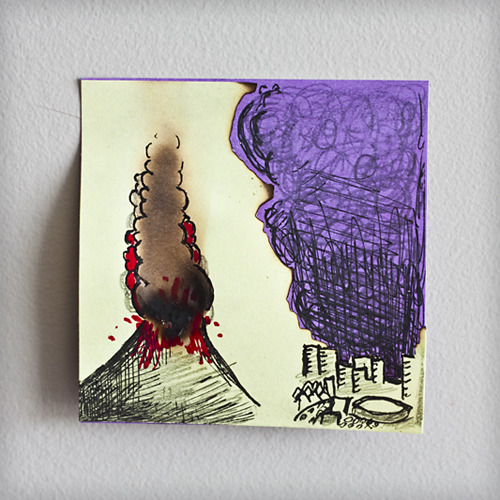
After the volcanic eruption in Iceland shut down all of the UK’s airspace, I was curious just how much CO2 volcanic eruptions release into the atmosphere each year. I did some calculation based on information from the USGS website and found that the United States emits 44 times more CO2 annually than all volcanic eruptions during the same period. Wow.
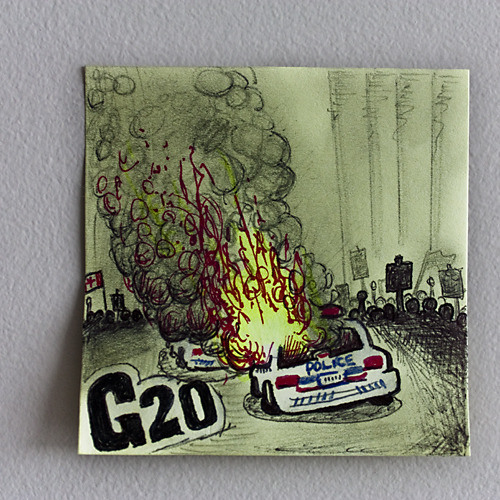
The protests over the G20 Summit in Toronto turned violent over the weekend as many businesses were vandalised and police cars burned in the heart of the financial district. Most of the people causing problems were wearing bandannas and masks which, to me, seems very cowardly. If you believe strongly enough in your cause, you should be willing to face the consequences of your actions.

Everybody needs a few hours of thoughtful alone time once in awhile. No electronic devices, maybe a beer though…

Sadly, I have no hand-writing skill whatsoever. Somewhere along the way my cap lock key got stuck and I forgot the magic that is cursive writing. I think it was grade 3 when I got nailed in the head with a dodgeball.
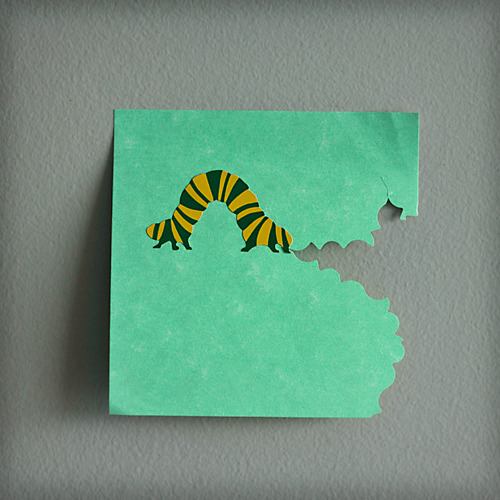
Nom nom nom… Actually, I’d set this guy free on my computer desk once a week to kill off my post-it note clutter.
See all of Nick’s post-it creations at Post-it Note Republic.
This wooden house by Sou Fujimoto Architects (Japan) reminds me a bit of the famous skill game “Jenga” but is certainly a great concept where the room’s functionality is recreated every time you use it.
There are no separations of floor, wall, and ceiling here. A place that one thought was a floor becomes a chair, a ceiling, a wall from various positions. The floor levels are relative and spatiality is perceived differently according to one’s position. Here, people are distributed three-dimensionally in the space. This is a place like an amorphous landscape with a new experience of various senses of distances. Inhabitants discover, rather than being prescribed, various functionalities in these convolutions.

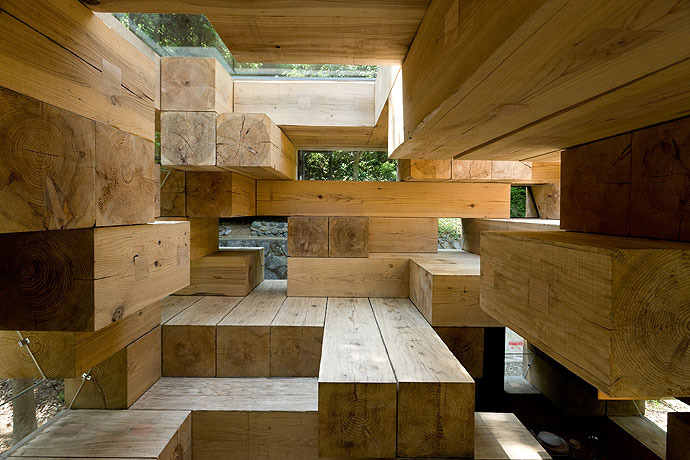
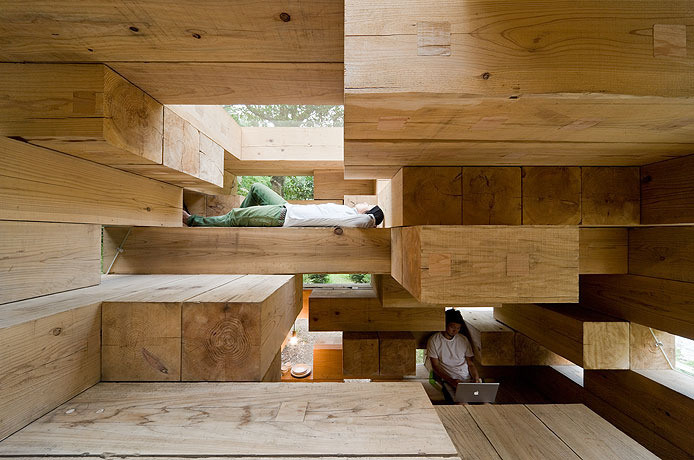
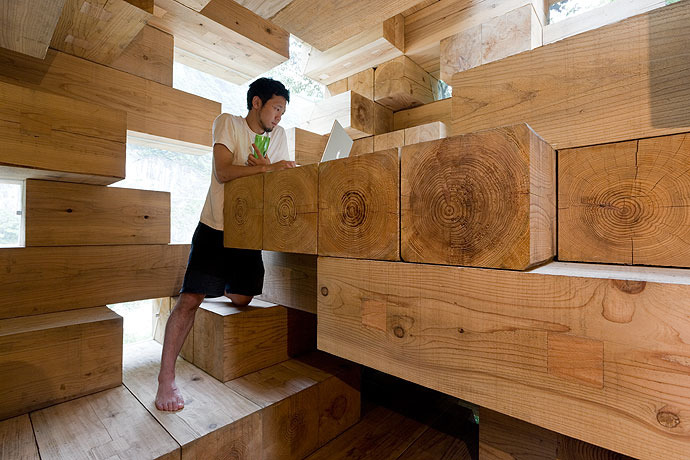
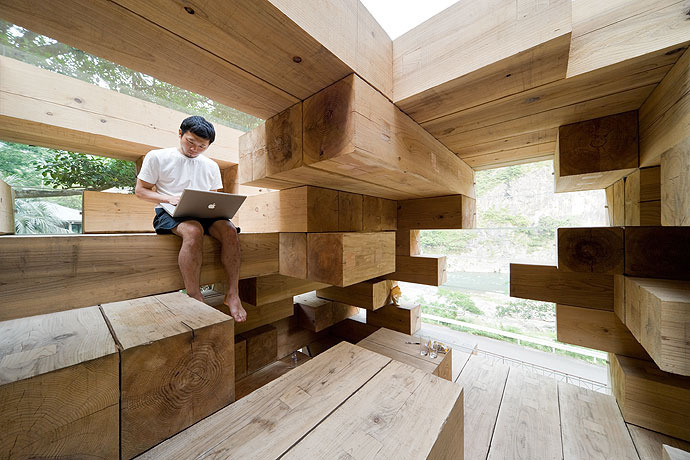

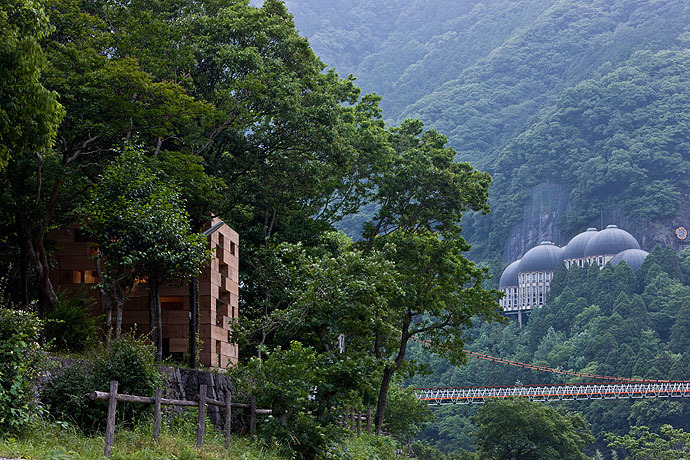
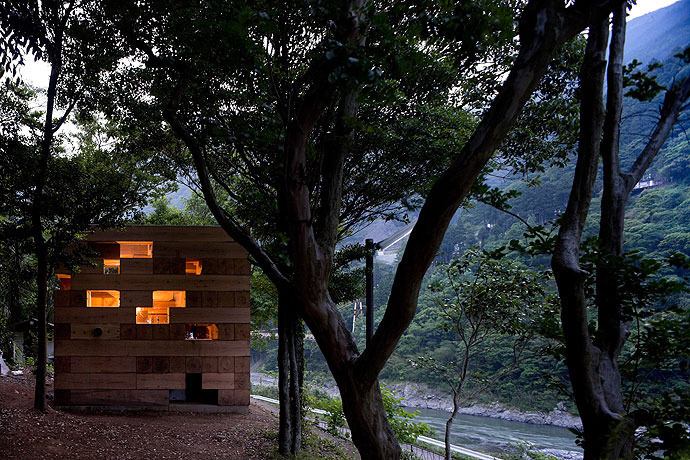
Read the full story with more pictures of the house at Arch Daily
Speaking of Hans Rosling, the master of presenting macro economical data in an entertaining and truly mindset-changing way recently talked about the world population growth at TED in Cannes. In this talk, he does not only present his data digitally using his cool Gapminder software, but also mixes in some analog visualization technique as well. This new “analog teaching technology” he picked up from Ikea, he says.
Be sure to also take a look at his past presentations at TED which are definitely worth watching:
Hans Rosling: Asia’s rise — how and when (2009)
Hans Rosling: Let my dataset change your mindset (2009)
Hans Rosling on HIV: New facts and stunning data visuals (2009)
Hans Rosling’s new insights on poverty (2007)
Hans Rosling shows the best stats you’ve ever seen (2006)
In this TED talk by David McCandless, he shows and explains examples, that turn complex data sets (like worldwide military spending, media buzz, Facebook status updates) into beautiful, simple diagrams that tease out unseen patterns and connections. Good Data Visualization, he suggests, is the best ways to compress knowledge and it may just change the way we see the world. Quoting Hans Rosling, “Let my dataset change your mindset”.
For more examples of data visualization visit David’s website or buy his book “Information is Beautiful” at Amazon.com/Amazon.de.
If you’ve ever wondered why art has to be so messy and if there is no way to improve those untidy paintings of masters such as Van Gogh, Paul Klee, Joan Miró or Jackson Pollock, watch this TED talk of comedian and cabaret artist Ursus Wehrli.
You can buy his English book “Tidying Up Art” at Amazon.com respectively the German original “Kunst aufräumen” at Amazon.de.
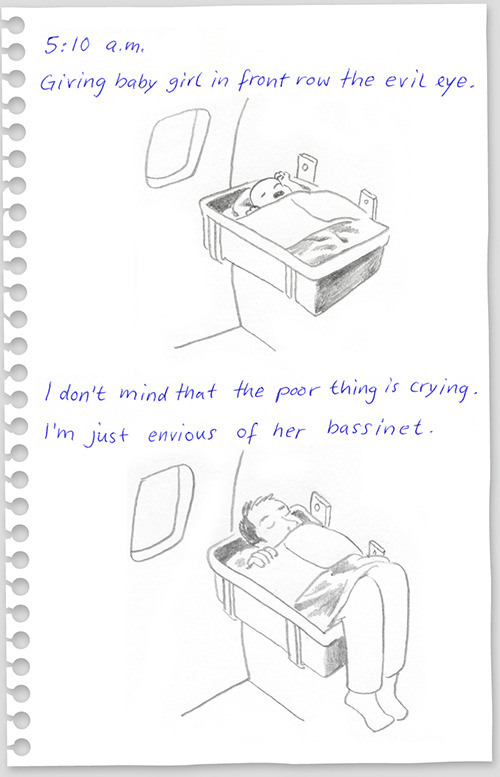
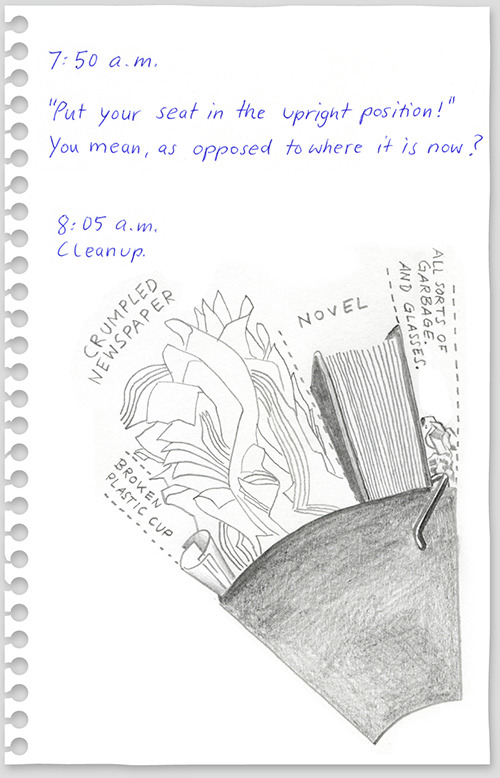
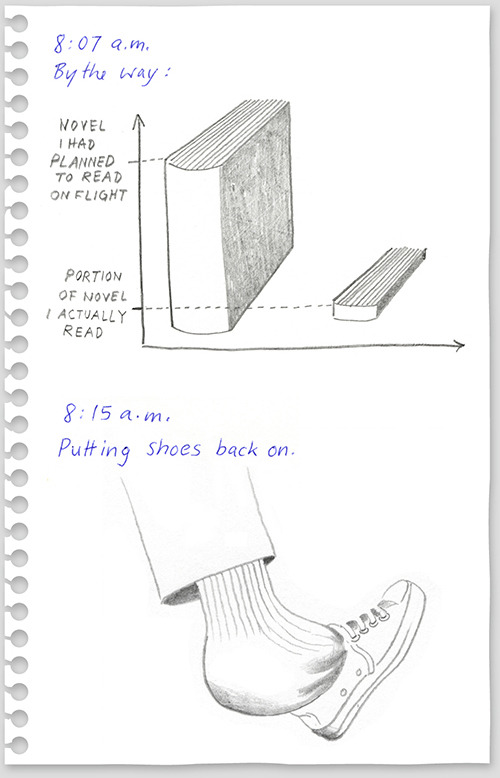
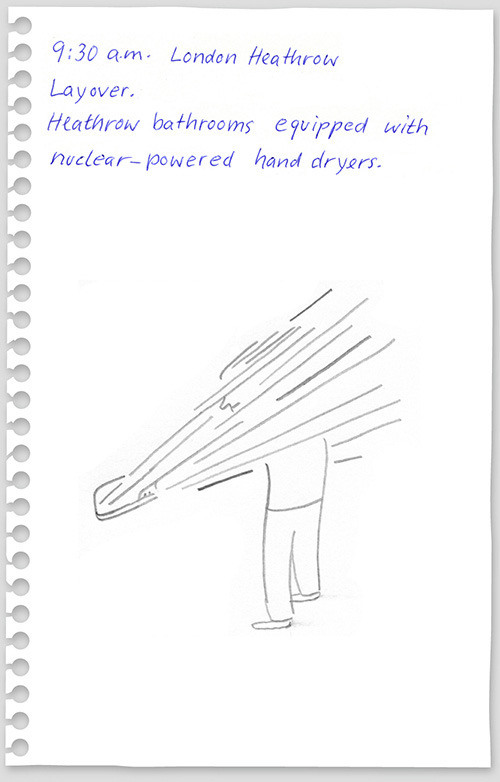
A visual diary documenting a flight from New York to Berlin (with a layover in London) by illustrator Christoph Niemann.
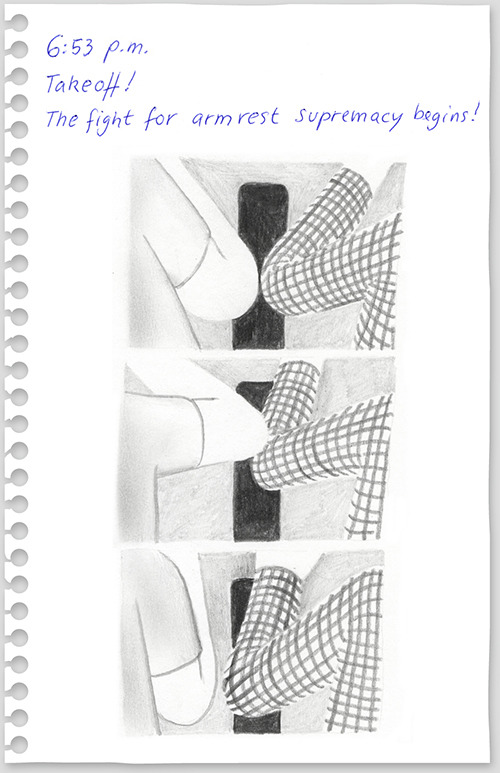
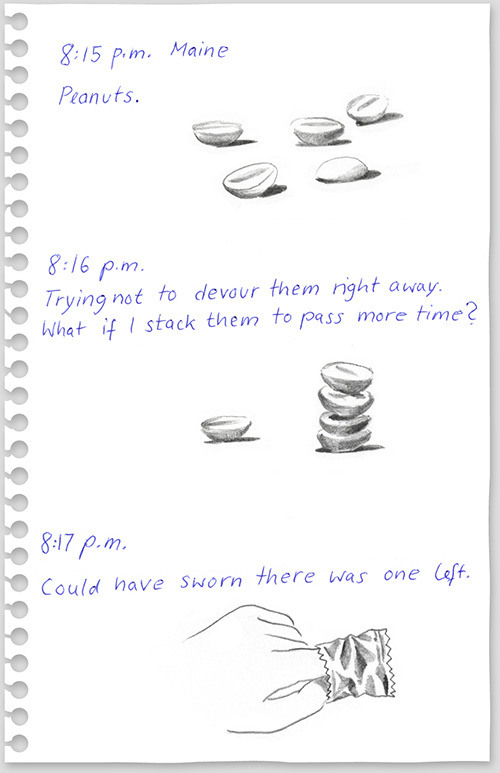
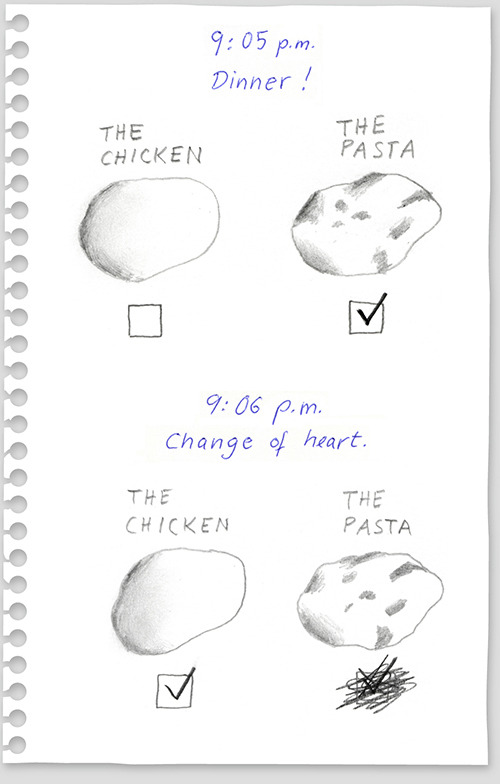
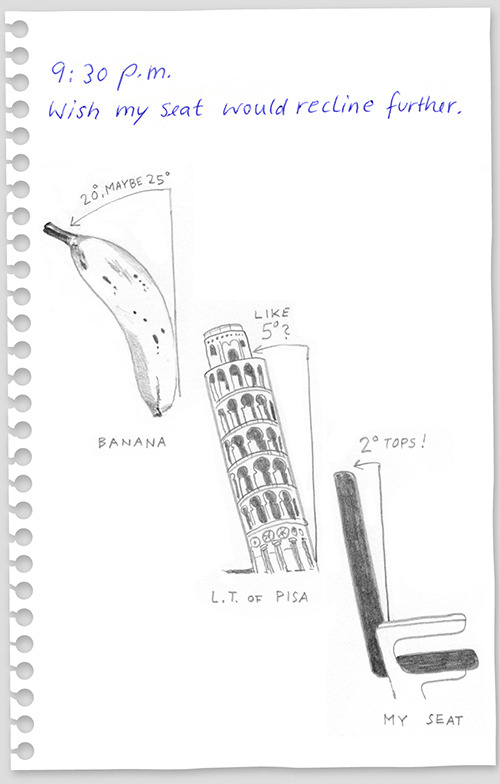
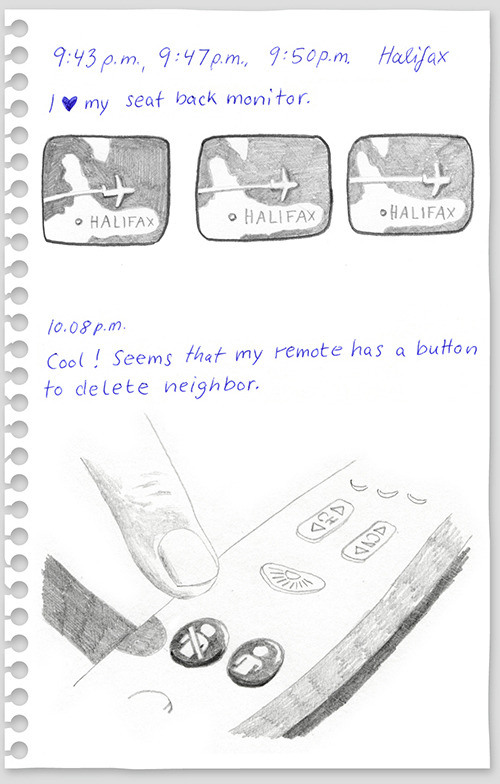
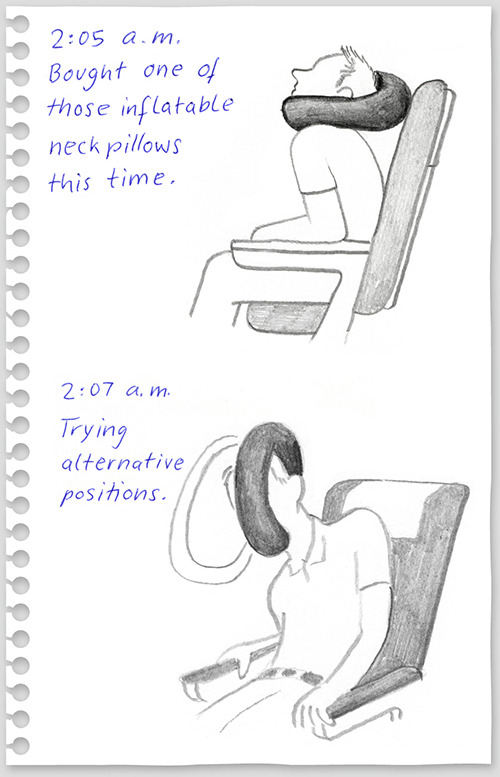
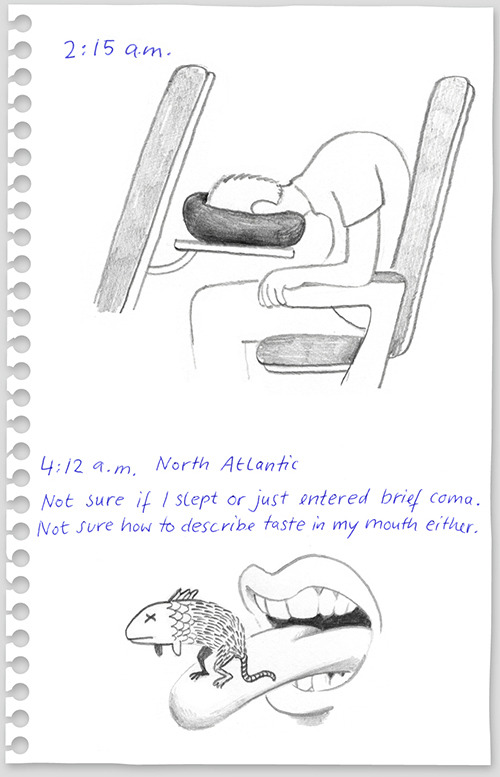
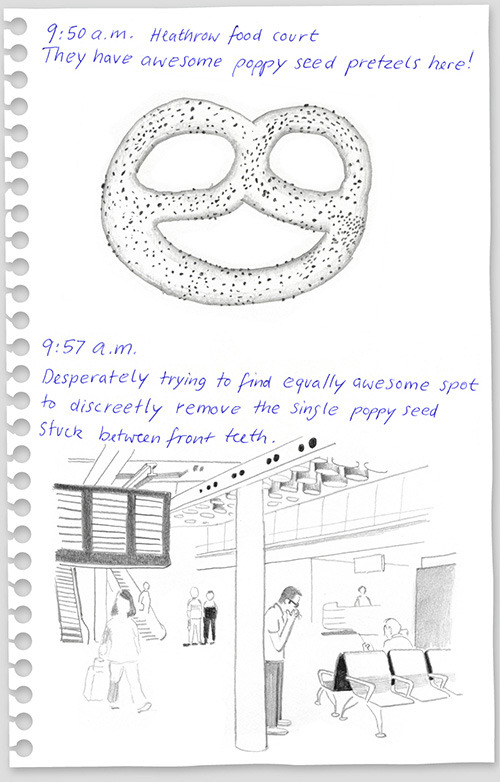
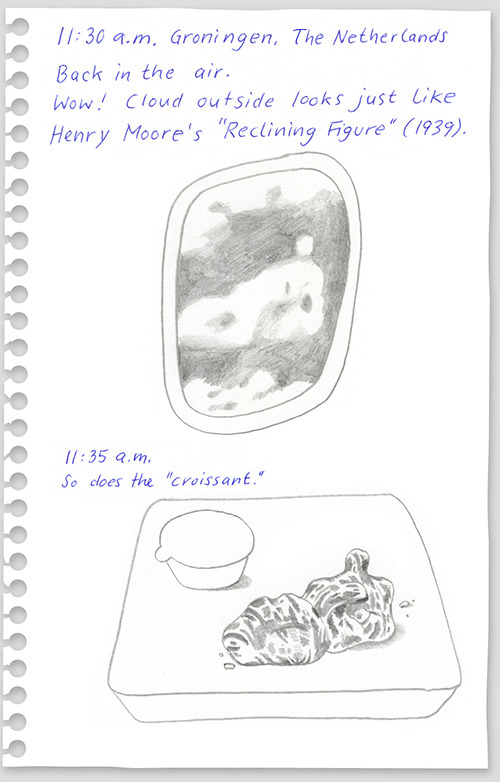
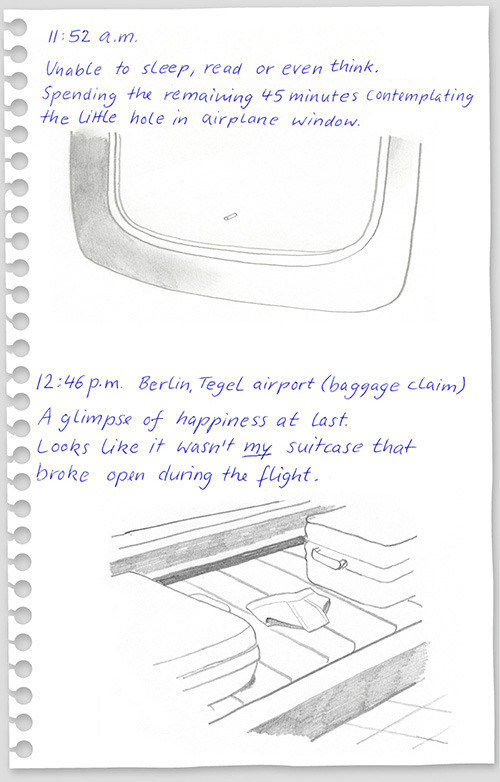
Be sure to visit his blog Abstract City to see more great illustrated stories. Here are my favorites:
Below is a 10-minute video excerpt from a presentation by John Cleese expressing his ideas on creativity.
Among other thoughts, he emphasizes that creativity requires a quiet mind and we have to create an “oasis” with boundaries of space and time where we are free of interruptions and can have a safe atmosphere for creative ideas and insights.
We don’t know where we get our ideas from. We do know that we do not get them from our laptops.
If you are interested in the topic be sure to read Garr Reynolds‘ reflection on this topic at presentation-zen.
Other view on the same country – Namibia, after Mongolia the most sparsely populated country in the world. On these pictures of German photographer Norbert Gräf you can literally feel the vast expanse of the landscape with only few traces of human settlement.
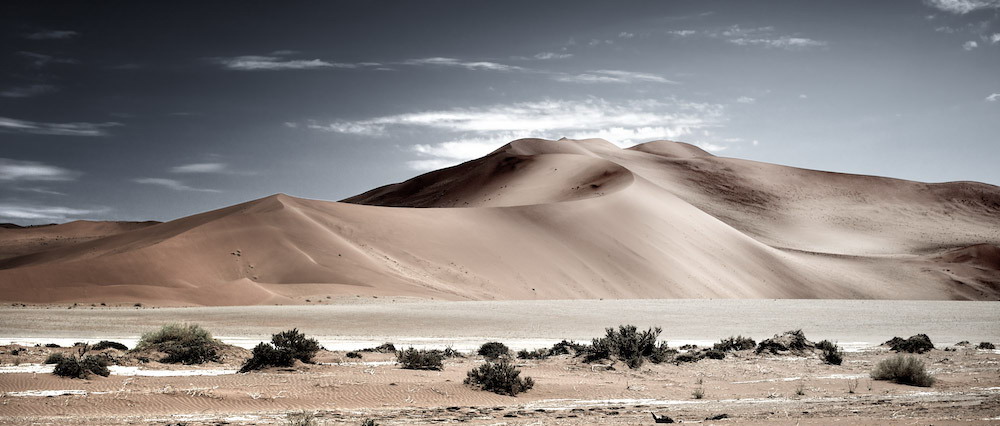
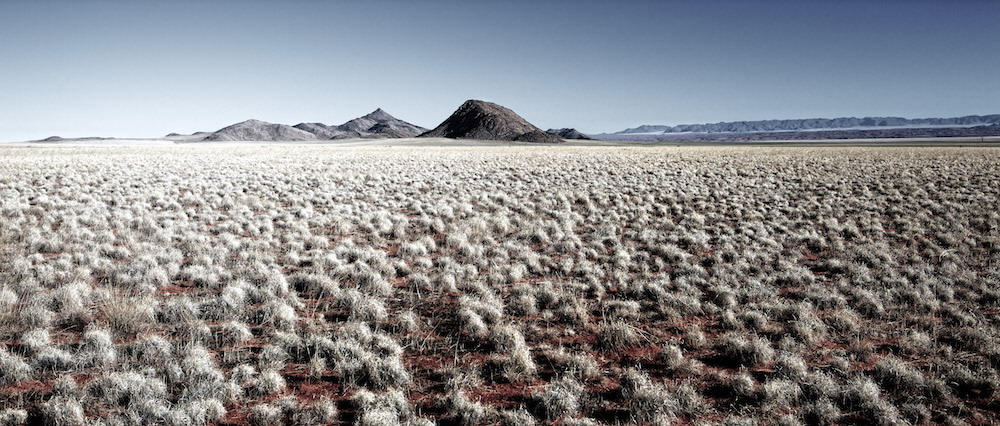
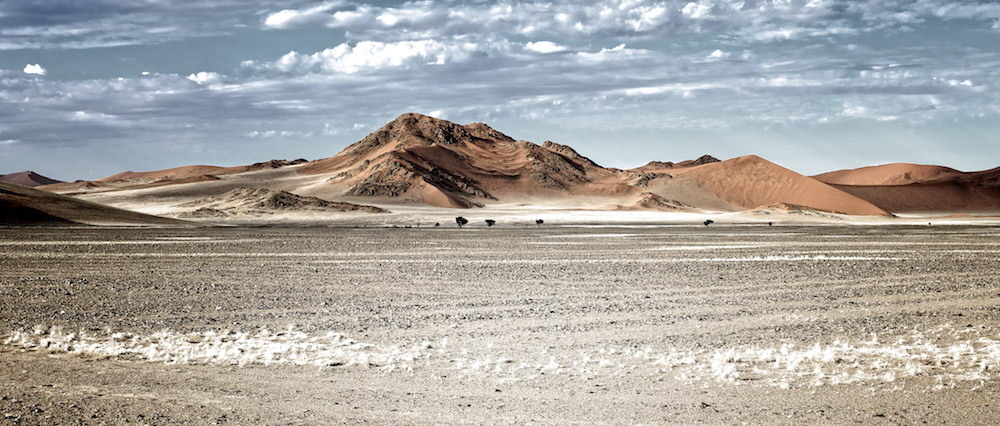
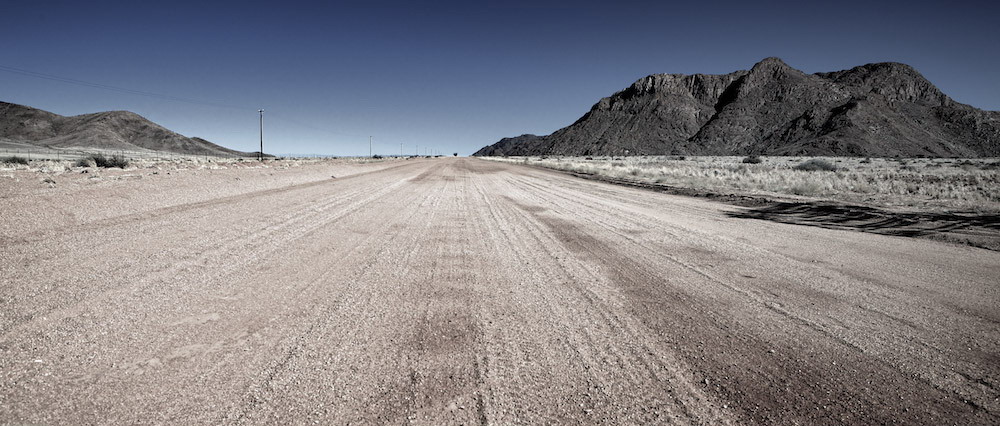
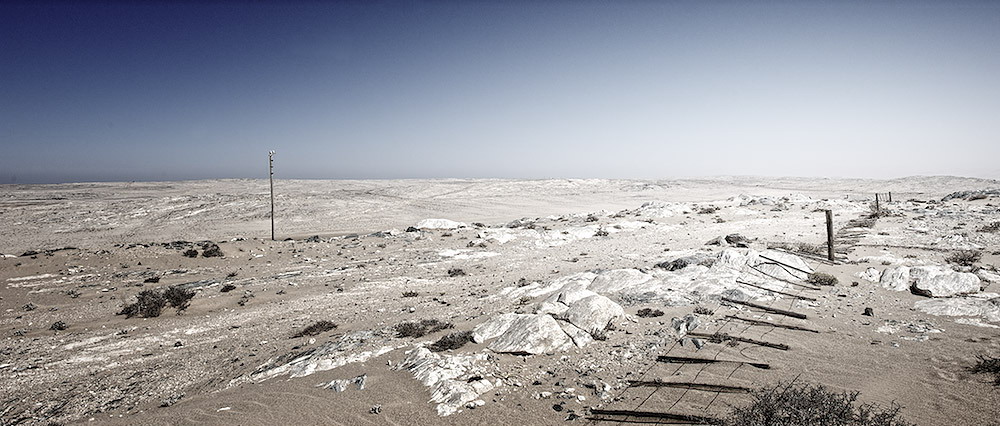

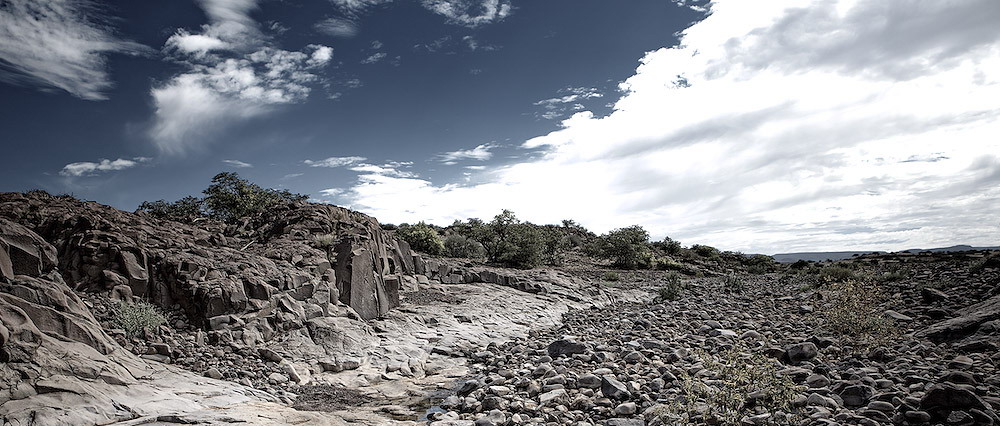

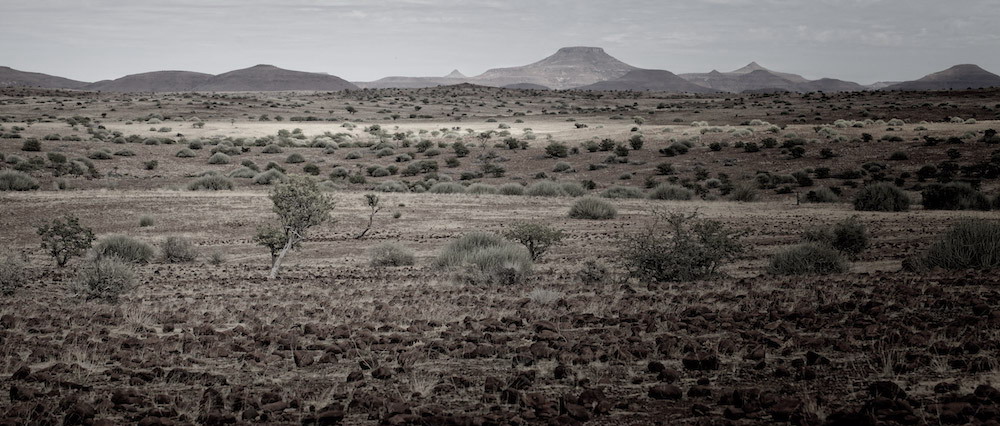
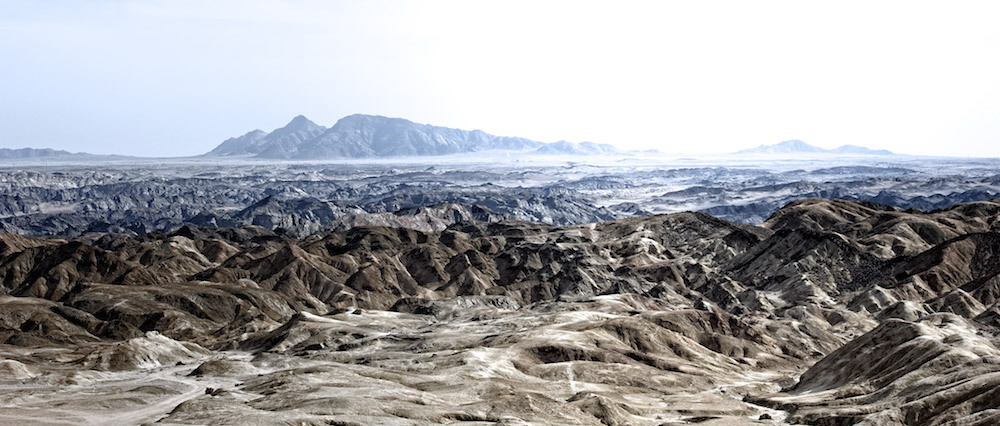
Be sure to visit Norbert’s other photo series at photography.graefdesign.com.