Magic moments from the oldest motor plant in the world

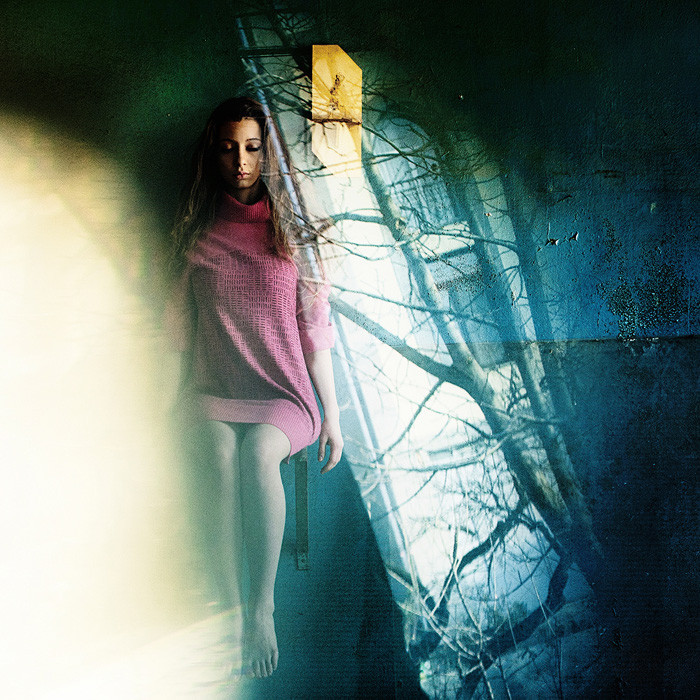
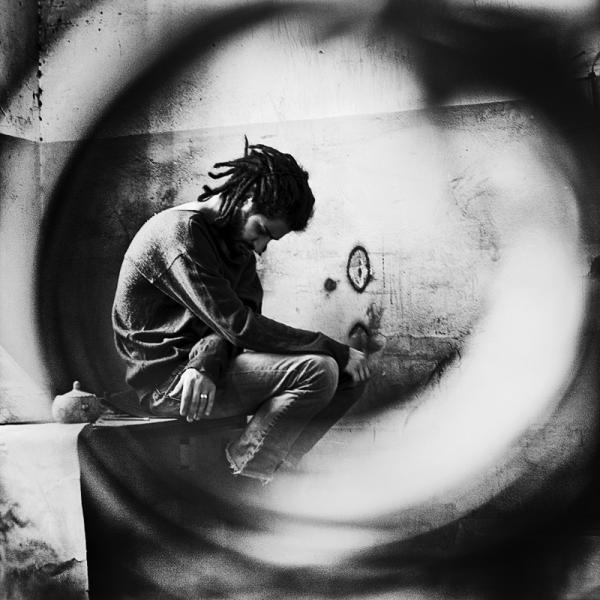
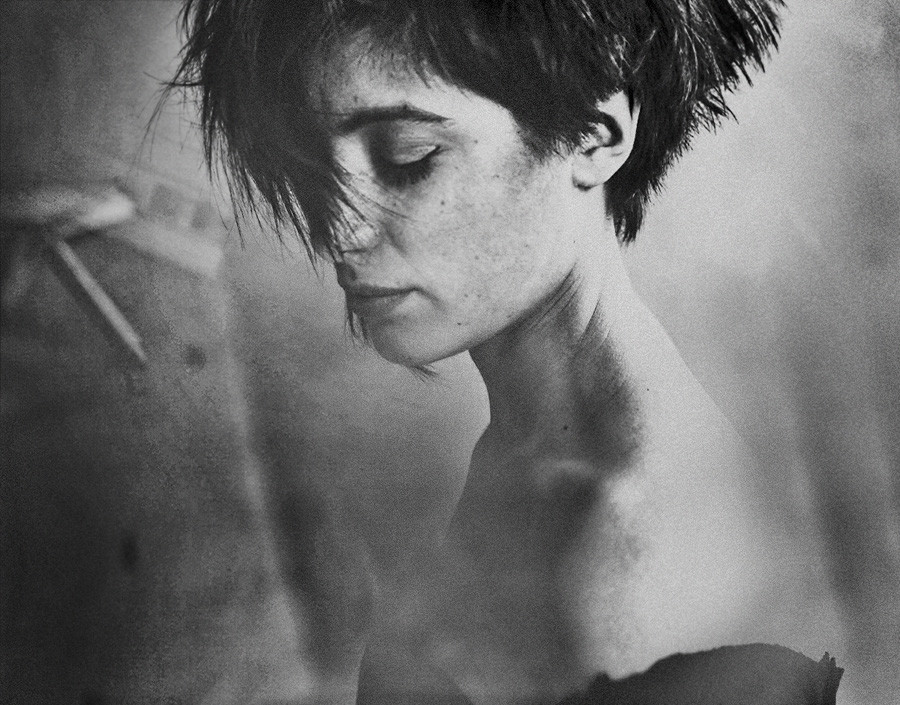
By combining time-lapse photography and video material, Benjamin Sichert reveals the magical atmosphere that haunts these old factory buildings. The footage shows the oldest motor plant in the world, that was founded in 1864 by Eugen Langen and August Otto in Cologne, Germany, and marks the beginning of Deutz AG. Gottlieb Daimler and Wilhelm Maybach worked here from 1876 in a management position. Unfortunately, the building will soon be demolished to create space for a new cable factory.


It is interesting to note that Benjamin uses a selfmade miniature Dolly (motorized camera slider) to create smooth camera movements and also sells different versions as entry level models for time-lapse photography and video filming.

Via Bewaremag.

Infographic vs. Video

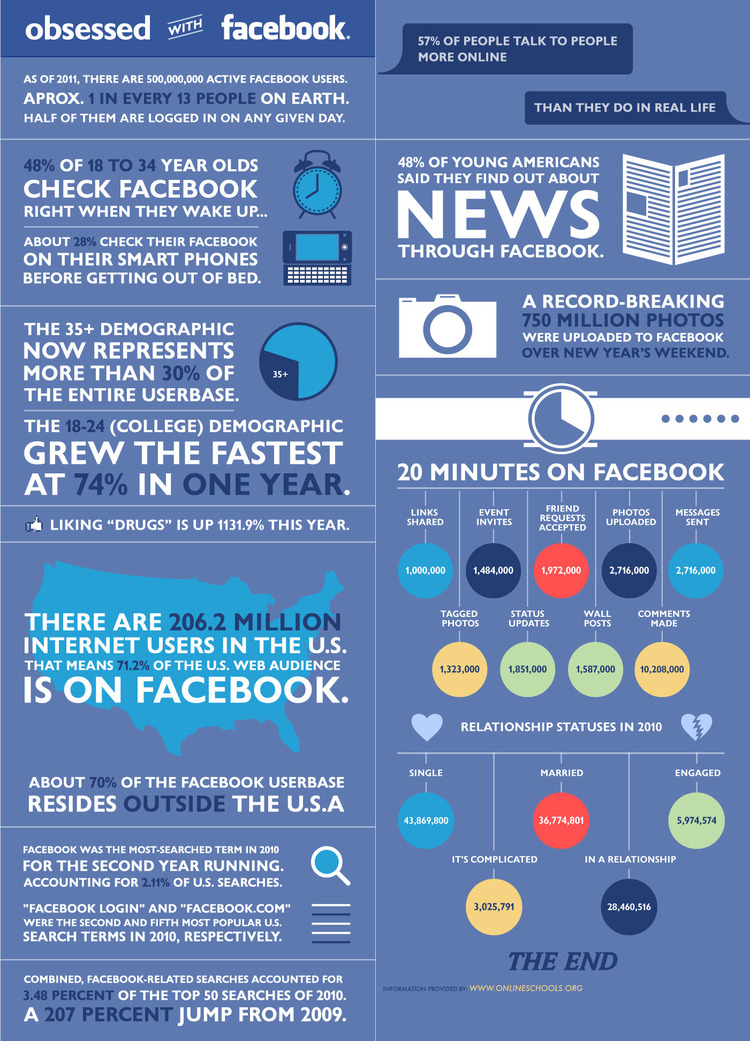
During this year’s See Conference there was an interesting discussion whether facts and figures are better transported via infographic or video. While there obviously is no clear answer to that – the “best” format being dependent on content, audience, situation etc. it is worthwhile to compare the different effects of each format.

Here are two examples in which the same information is presented as infographic and in a video. Choose for yourself:

Obsessed With Facebook
OnlineSchools.org presented this infographic, Alex Trimpe the according motion graphics video:

Obsessed-with-facebook_1e


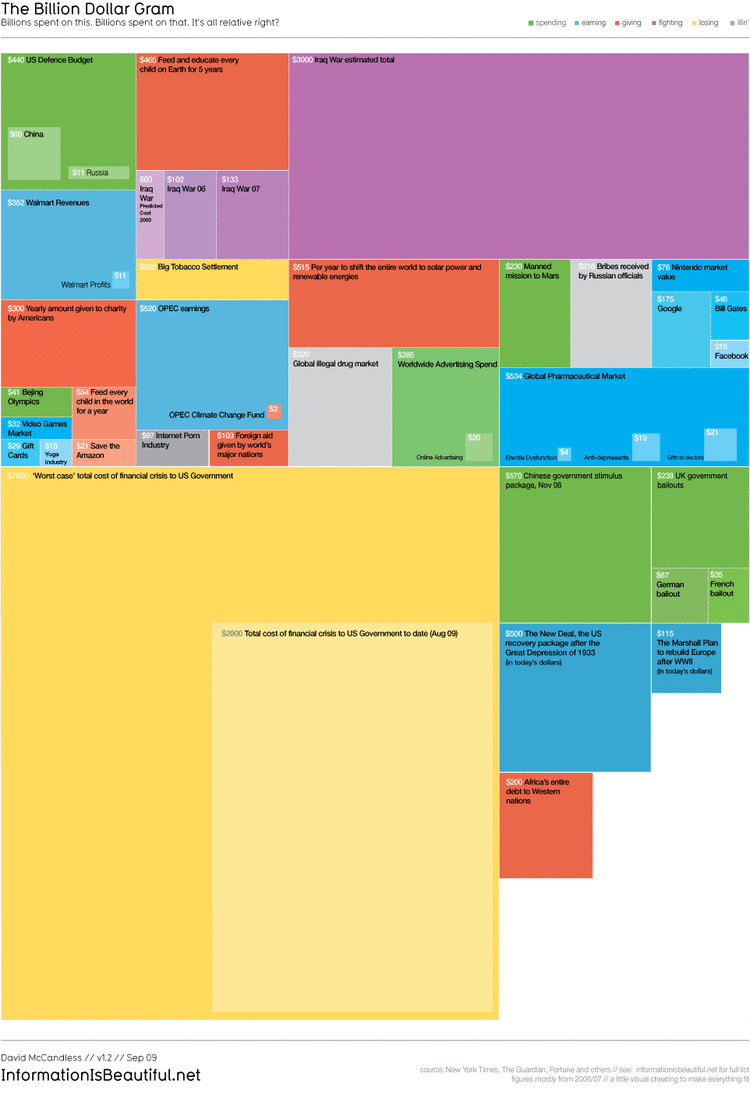
The Billion Dollar Gram / Debtris US

In the second example, both infographic and animation were created by data journalist and information designer David McCandless (Information is Beauftiful):

Billion_dollar_960


Which format do you prefer and why?

Finger Tutting meets Motion Graphics

In this commercial for the launch of the Galaxy SII in France, Internet-famous Finger Tutting artist JayFunkY (Los Angeles) performs his awesome finger choreography illustrated by some nice motion graphics.

(Click through to YouTube to watch in HD and full screen!)

By the way: Finger Tutting is a “contemporary abstract interpretive street dance style modeled after Egyptian hieroglyphics” and related to other street dance styles such as Robot or Popping.  
Via Design you Trust.
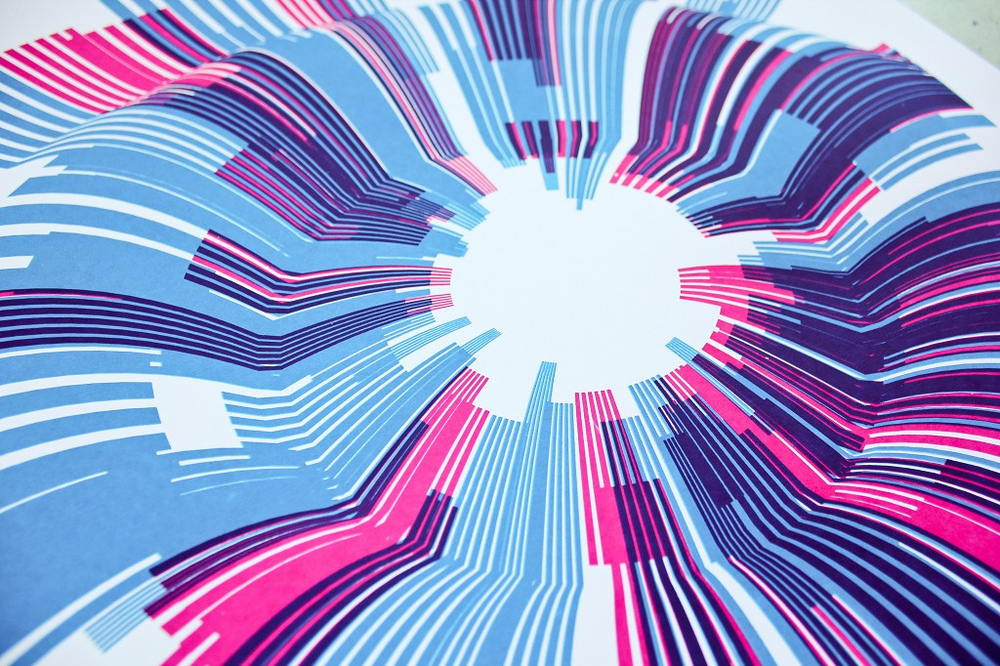
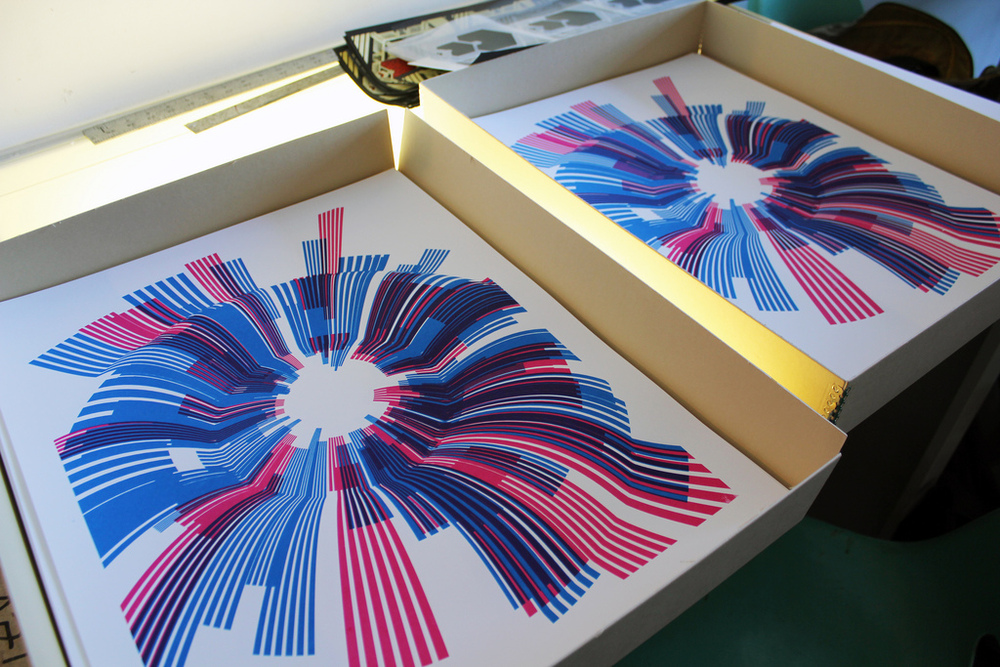
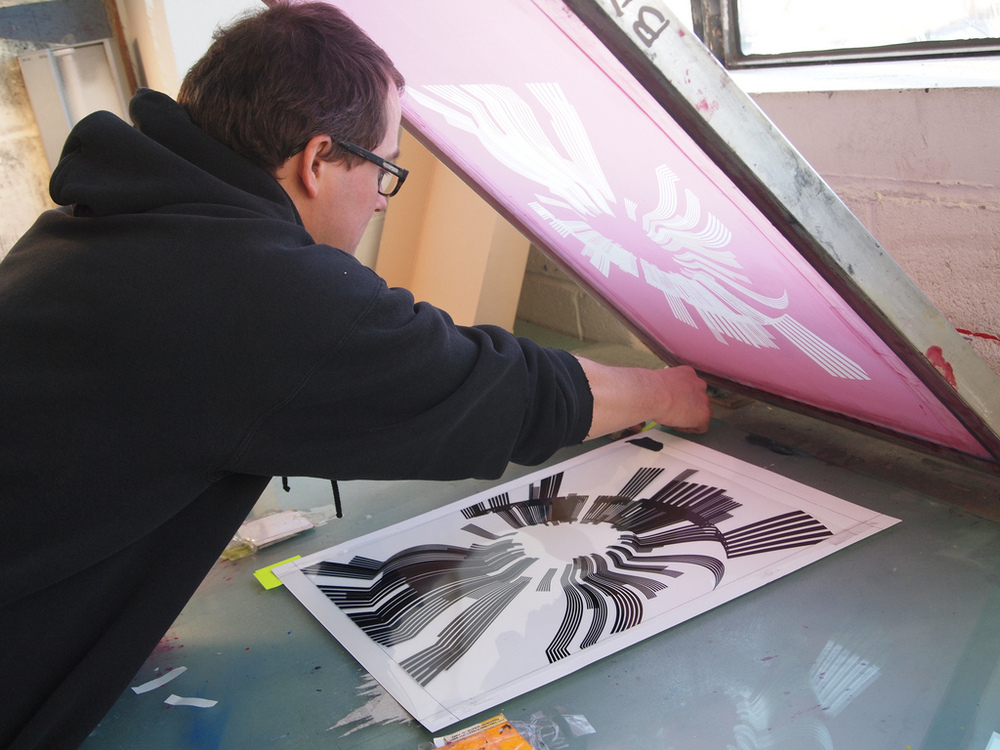
Hand-Printing Computer-Generated Art by Marius Watz and Jer Thorp

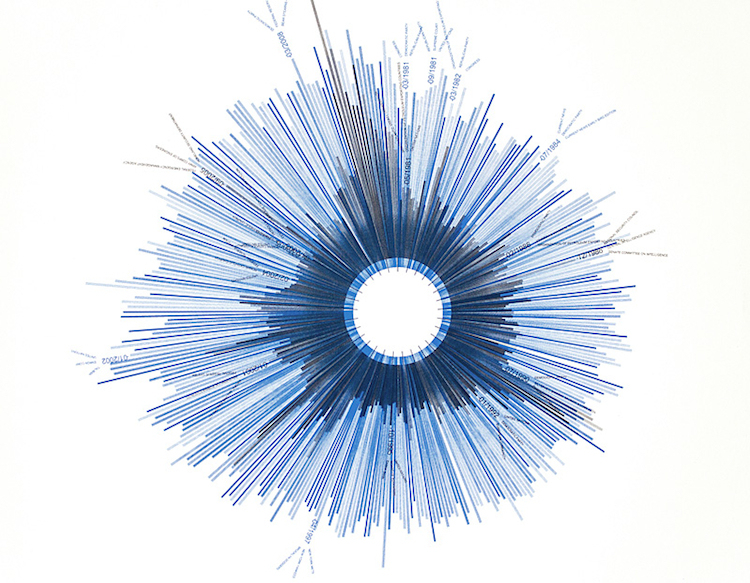
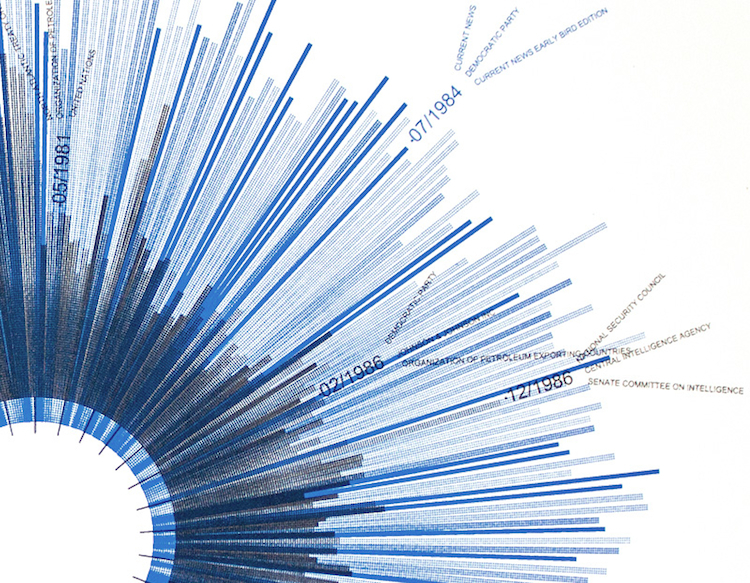
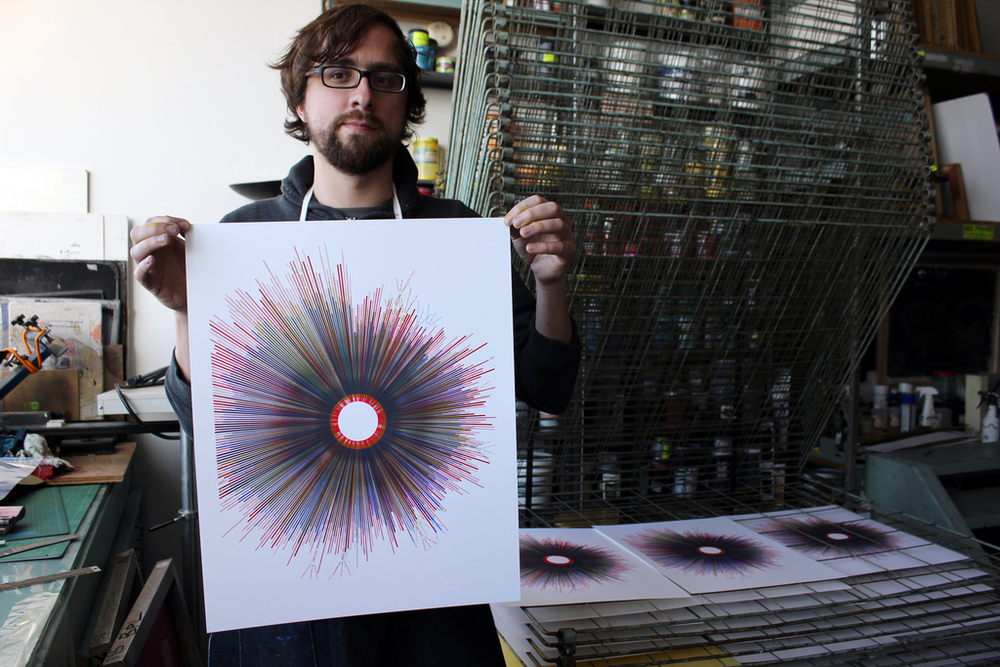
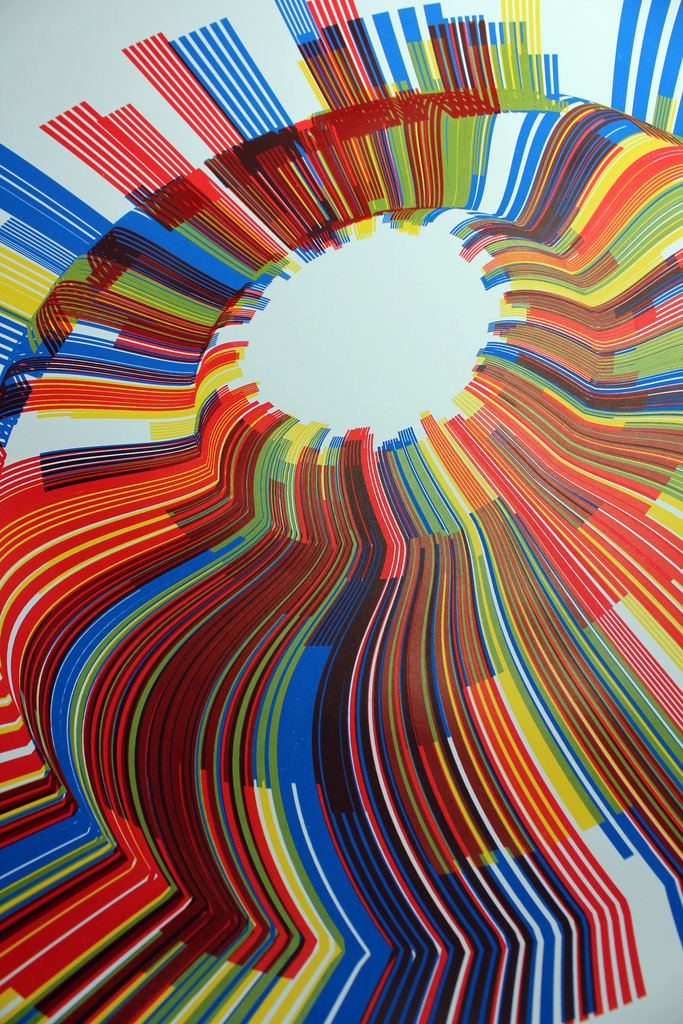
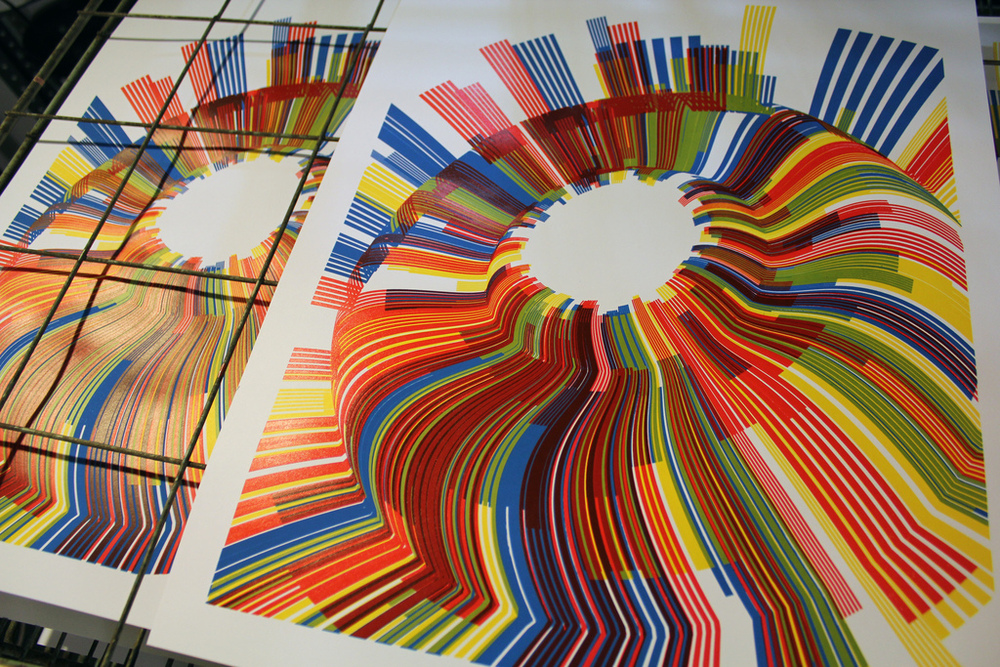
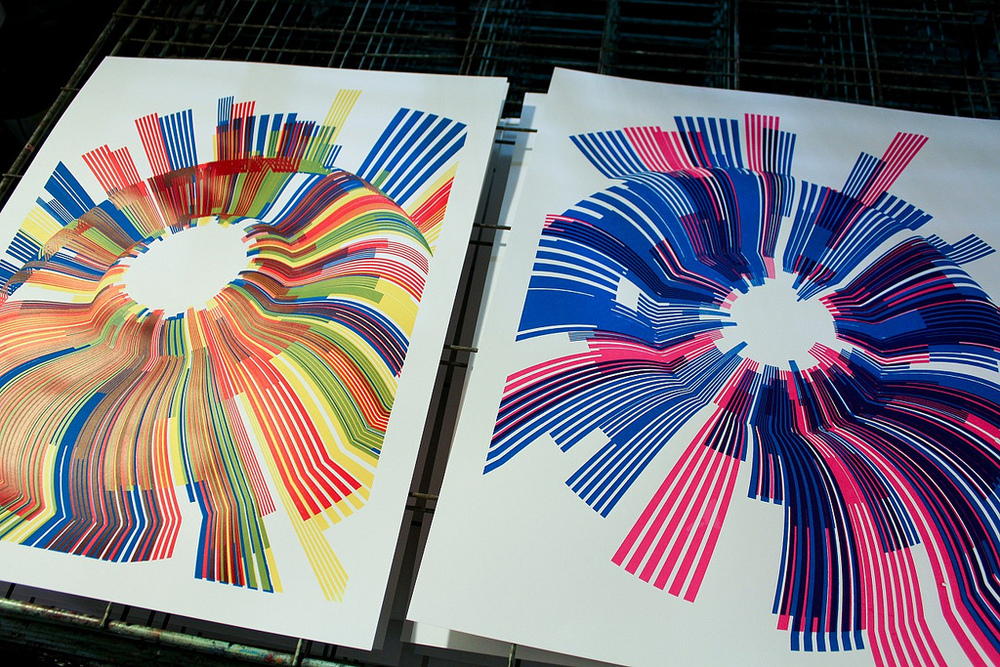
Generative Art, created by computer software and mathematical equations, and the traditional craft of printing (by hand) usually don’t come together very often. What happens, when you put a MacBook Pro and big buckets of color next to one another, is shown by artists Marius Watz and Jer Thorp for the Random Number Multiples series, an ongoing art publishing extension of Christina Vassallo’s curatorial platform Random Numbers.

Random Number Multiples provides an opportunity for artists to expand their repertoire through artwork editioning processes. It is a platform for artists to experiment with new techniques or engage with familiar ones in new ways.

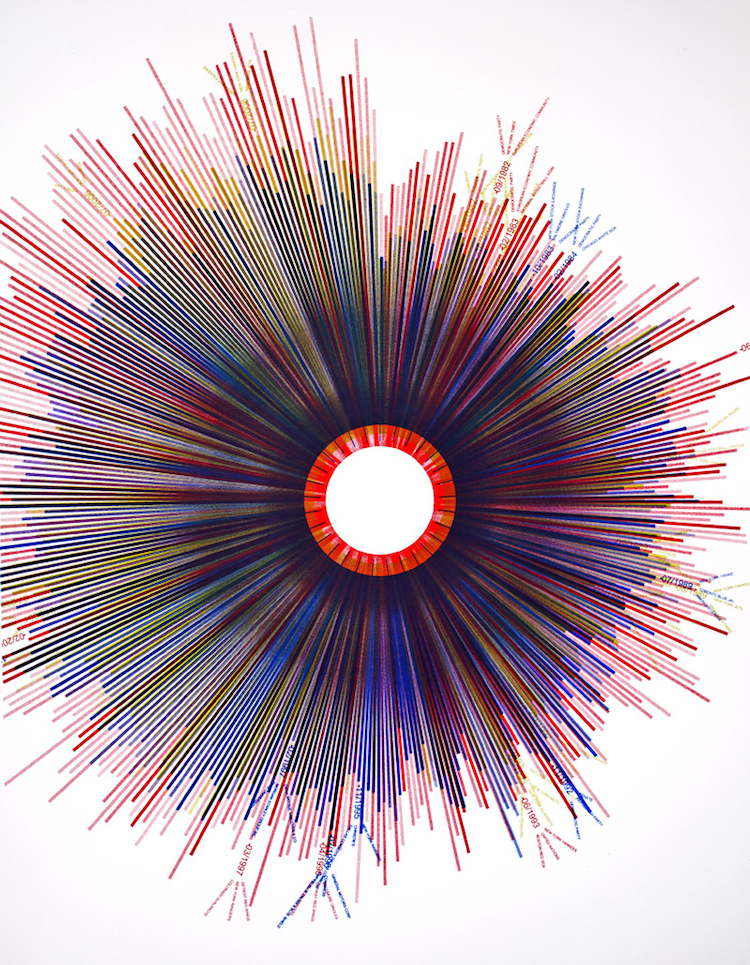
As the current Data Artist-in-Residence at the New York Times, Jer Thorp took the newspaper as his reference point. With two separate works, or “timepiece graphs,” he tracked how often the Times printed the words ”red,” “green,” and “yellow” resp. “hope” and “crisis” from 1981 to 2010. Each piece is arranged so that the data can be read clockwise.

Randomnumbermultiplesjerthorpa
Randomnumbermultiplesjerthorp3
5363697277_0c39404cf0_b
Randomnumbermultiplesjerthorp1
Randomnumbermultiplesjerthorp2
5362872334_1969794255_b
5394021443_6c02c258d3_b
5362882962_69f74ffac3_b
5386696682_5366d9f0e8_b
5378932504_ca75d7f9e3_b
5362868544_4c2bbcb72d_b
5363709885_82e3d9f27e_b
5391949346_425146b7ce_b